

Independent musicians have more ways than ever to record and release their work. Digital platforms can help artists reach listeners without relying entirely on traditional music-industry structures. However, making music available is only one part of building a sustainable career.
A clear artistic identity can help audiences understand what makes an artist’s work distinctive and why they might want to hear more. An artistic identity is not simply a logo or a visual style. It develops through the music, stories, values, and creative choices an artist shares with the world.
What Makes Music Distinctive
Musicians can begin by considering the qualities that repeatedly appear in their work. These might include lyrical themes, vocal delivery, instrumentation, rhythmic choices, or the emotional atmosphere of their songs. An artist does not need to invent an entirely new genre to be distinctive.
Familiar musical elements can feel fresh when combined with personal experiences and individual creative decisions. Listening to previous recordings may reveal patterns that were not intentional at first. These patterns can help musicians describe their sound more clearly and identify what they want to explore next.
Make Visual Choices Support the Music
Cover artwork, promotional photographs, music videos, and social media graphics help shape how listeners encounter an artist. Consistent visual choices can make releases easier to recognize, especially when audiences discover music across several platforms. The visuals do not have to look identical every time.
Instead, they can share a mood, color palette, design approach, or recurring theme while allowing each release to have its own character. Most importantly, visual presentation should support the music rather than promise something unrelated to it. An artist’s identity becomes more convincing when the sound and imagery feel connected.
Communicate Authentically With Listeners
An artist’s identity also develops through communication. Sharing the inspiration behind a song, discussing the recording process, or describing the challenges of independent music-making can help listeners understand the person behind the work. Authenticity does not require sharing every personal detail.
Musicians can decide which parts of their lives belong in public and maintain boundaries around private relationships, family matters, and other sensitive information. Clear, respectful communication can build trust without turning an artist’s entire life into promotional content.
Stay Consistent While Allowing Growth
An artistic identity should provide direction, not become a limitation. Musicians naturally change as they gain experience, encounter new influences, and collaborate with other creators. A sudden change in style may surprise existing listeners, but thoughtful experimentation can also attract new audiences.
Artists can help listeners understand these changes by explaining their creative motivations or presenting new work alongside familiar material. The important question is whether the music reflects a meaningful artistic decision rather than an attempt to follow every trend.
Build a Sustainable Release Strategy
Independent musicians often balance songwriting with recording, promotion, finances, and other responsibilities. A realistic release schedule can help prevent creative burnout. Instead of releasing music constantly, an artist might focus on completing a strong single, preparing useful promotional materials, and engaging with listeners around the release. Reviewing audience responses can provide information about what resonates, although popularity should not be the only measure of artistic value.
Conclusion
A clear artistic identity helps independent musicians communicate what makes their work recognizable and meaningful. It grows from musical choices, visual presentation, honest communication, and a willingness to evolve. By developing an identity that reflects their real creative interests, artists can build a stronger foundation for long-term growth.
 Here are some of the basic details that one must understand about tempo.
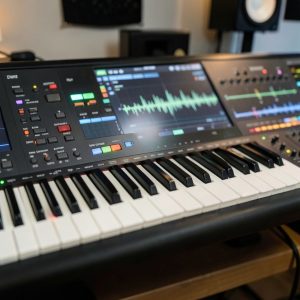 The delaying of some of the notes slightly to form a groove is called swing. Swing provides personality and bounce to drum patterns in 92 BPM. Devoid of it, beats may become hard and robotic. The use of swing assists producers to attain a more natural rhythm.
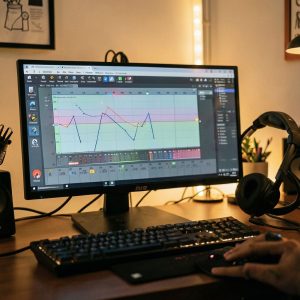 Since boom bap, 92 BPM has been used in various subgenres of hip-hop. It gives it sufficient leeway to deliver lyrical performance, as well as instrumental narration. Musicians are able to ride the beat without having to feel tied down. This flexibility makes the tempo applicable in changing musical fashions.
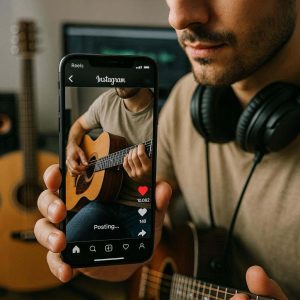 Likes remain an important signal on Instagram. They show interest and help content reach more people. For musicians, likes also act as social proof. When users see engagement, they are more likely to listen and follow. Getting more likes is not about tricks. It is about understanding how people react to music content. This article explains simple and effective ways on how to increase Instagram likes (source: 인스타그램 좋아요 늘리기) naturally.
 The Middle Eastern region of Mesopotamia is home to the oldest lyres ever found. Several ancient works of art and carvings featured these tools.
 On your side, you’ll see equalization (EQ). The dynamic range of each instrument can be fine-tuned in this way. To bring out the best in your vocals, clean up your guitars, and rein in overbearing bass lines, use equalization.
 When you learn the language of music, you open up a world of possibilities in terms of composition, analysis, and enjoyment. But how can one even start to enter into the world of music theory? Do not be afraid, budding music guru! To help you along this rewarding path, the internet provides a plethora of information, both free and paid.











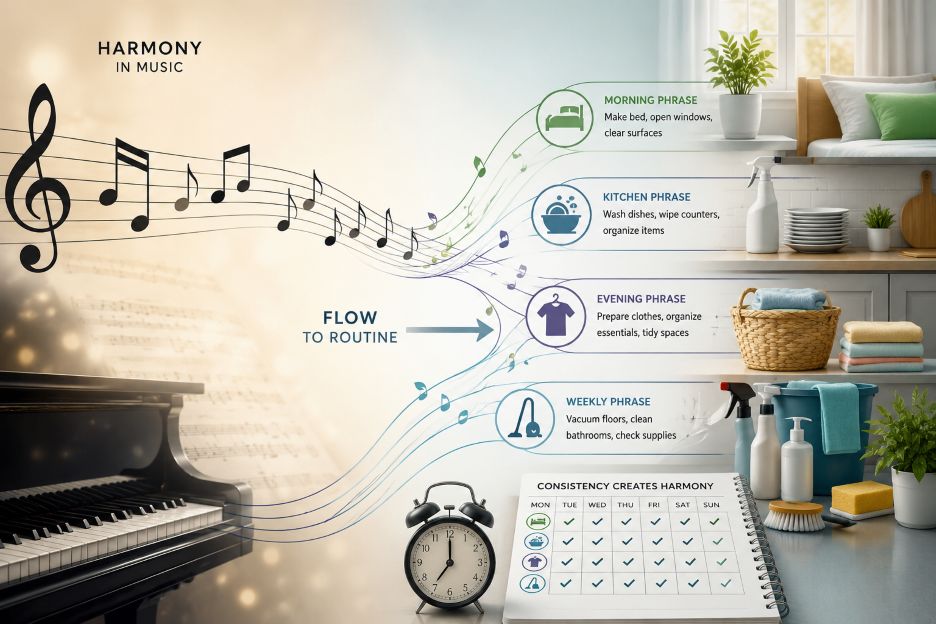



 Live music echoes through Jeju’s upscale lounges every weekend. Tourists and locals alike flock to these spots after sunset. The island, famous for its volcanic trails and black-sand beaches, now pulses with a fresh energy. High-end venues blend ocean views with soulful tunes. This shift draws crowds seeking more than just cocktails. Jazz notes float over velvet seats. Acoustic guitars strum under dim lights. Local artists step into the spotlight, turning quiet evenings into memorable nights.
 Less impact on environment: through recycled materials and biodegradable materials.
 Submitting your music to online directories can be a great way to gain visibility, secure gigs, and expand your fan base. But a lot of musicians rush through the process or don’t take it seriously enough—and that hurts their chances. Whether you’re submitting to a directory for venues, promoters, streaming exposure, licensing opportunities, or Korean platforms like 링크모음, details matter.
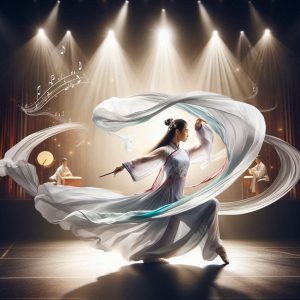 Wushu is more than just martial arts—it’s a performance. Every movement is designed with beauty, strength, and rhythm. Music helps tie all these elements together. It sets the mood, guides the pace, and highlights each motion. Without music, a wushu performance can feel flat or disconnected. The right soundtrack turns a series of moves into a captivating performance.
 In a quiet corner of a basement studio, composer Elliot Mars adjusts a microphone near a terrarium. Inside, a cluster of isopods—pill bugs—scuttle under leaves and roll into tight, armored balls. To most people, it’s just bug behavior. To Mars, it’s music.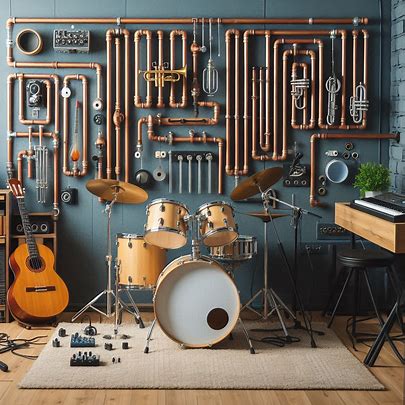
 Children absorb information faster when they’re having fun. That’s a fact backed by both experience and research. While effective for some, traditional teaching methods often fail to capture young learners’ interest. That’s where entertainment comes in — not just as a distraction but a powerful teaching tool.
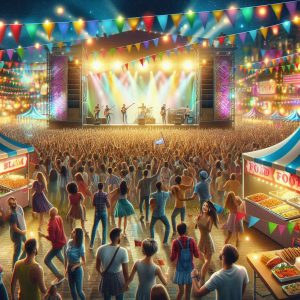 Music festivals are all about the experience—great music, amazing vibes, and unforgettable memories. But let’s be honest: they can also be hot, sweaty, and downright exhausting. Whether you’re dancing in the sun at Coachella or at