
Tempo is one of the aspects which make music move. It sets the pace or speed of a piece of music and can have a great effect on how listeners will experience a song. The same music idea performed at a slow tempo can sound relaxed or contemplative. This is opposed to when it is performed at a faster tempo, which can sound energetic and exciting.
Knowing the tempo of the song gives the listener an appreciation of why one song evokes one emotion while another evokes a different one.
Learning to Understand Tempo in Music
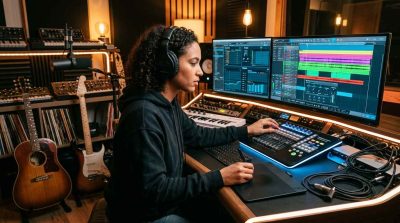 Here are some of the basic details that one must understand about tempo.
What Does Tempo Mean?
Faster BPMs tend to make for slower times and vice-versa. The right tempo for a particular piece of music will be determined by the style, mood and purpose of the music.
Tempo Varies during a Song
It is not always necessary for a song to have the same speed throughout.
How Tempo Affects Emotion
Below are the influence of tempo one’s emotion:
1-Emphasis is placed on slower tempos to provide space.
In music created for calm and/or emotional moments, the tempo is often slow.
2-Increase Energy = Faster Tempos
Fast tempo will generate excitement and physical activity.
Everyday Listening with Tempo
Tempo affects daily listening to music through the following:
Music and Physical Activity
Music selections can be made based on the activity. Different songs can motivate you for exercising, slower songs can be used for studying, relaxing or sleeping. It demonstrates the connection between tempo and activity/mood that listeners make naturally.
Conclusion
Tempo is more than a technical measurement used by musicians. Essential component of storytelling that affects energy, emotion and movement. Tempo is the speed and rate of a piece of music which can be slow and reflective or fast and exciting. It can influence the character of a piece and give it a unique feel for each song.
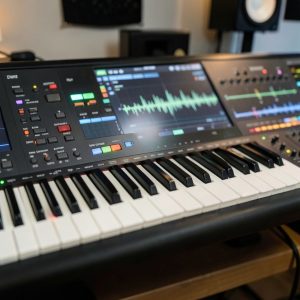 The delaying of some of the notes slightly to form a groove is called swing. Swing provides personality and bounce to drum patterns in 92 BPM. Devoid of it, beats may become hard and robotic. The use of swing assists producers to attain a more natural rhythm.
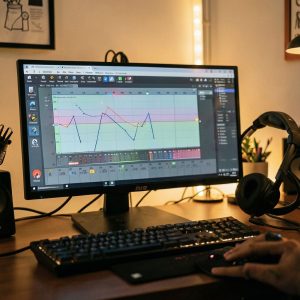 Since boom bap, 92 BPM has been used in various subgenres of hip-hop. It gives it sufficient leeway to deliver lyrical performance, as well as instrumental narration. Musicians are able to ride the beat without having to feel tied down. This flexibility makes the tempo applicable in changing musical fashions.
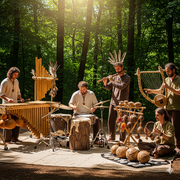 Less impact on environment: through recycled materials and biodegradable materials.
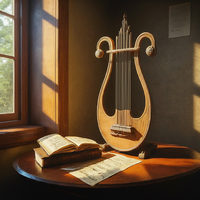 The Middle Eastern region of Mesopotamia is home to the oldest lyres ever found. Several ancient works of art and carvings featured these tools.
 On your side, you’ll see equalization (EQ). The dynamic range of each instrument can be fine-tuned in this way. To bring out the best in your vocals, clean up your guitars, and rein in overbearing bass lines, use equalization.
 When you learn the language of music, you open up a world of possibilities in terms of composition, analysis, and enjoyment. But how can one even start to enter into the world of music theory? Do not be afraid, budding music guru! To help you along this rewarding path, the internet provides a plethora of information, both free and paid.