

Great beats are not only about beats but also about timing and feel. Groove timing and swing at 92 BPM can entirely change a track. Minor changes in tempo make the sound more human and dynamic. Those producers who are good at these tricks can take their music to the next level.
Learning Swing in Beat-Making
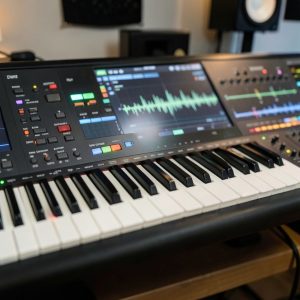 The delaying of some of the notes slightly to form a groove is called swing. Swing provides personality and bounce to drum patterns in 92 BPM. Devoid of it, beats may become hard and robotic. The use of swing assists producers to attain a more natural rhythm.
Microtiming and Human Feel
Microtiming is a technique to make notes slightly off-grid. Even these minor alterations can alter the feel of a beat significantly. Microtiming will add groove at this tempo, but will not interrupt the flow. It makes the tracks more organic and expressive.
The Advantage of Being Exact and Inaccurate
Producers need to strike a balance between a strict schedule and slackness. Excessive accuracy will render a beat sound robotic. Excessive variation may give it a cluttered look. This balance is more manageable and controllable at 92 BPM.
Variations in Creative Drum Pattern
Ghost notes and offbeat hi-hats are used to make beats complex. These effects are especially effective in mid-tempo areas such as 92 BPM. They form rhythmic interest but do not overpower the listener. This makes the groove interesting and dynamic.
Conclusion
Modern producers must have groove timing and swing. These methods are perfect at 92 BPM, as they add rhythm and feel. Learning how to make them sound could transform easy beats into dynamic musical experiences. With the changing production, groove will always be the central part of great music.